


Mobile Marketing Strategy: A Guide How to Engage Your Audience

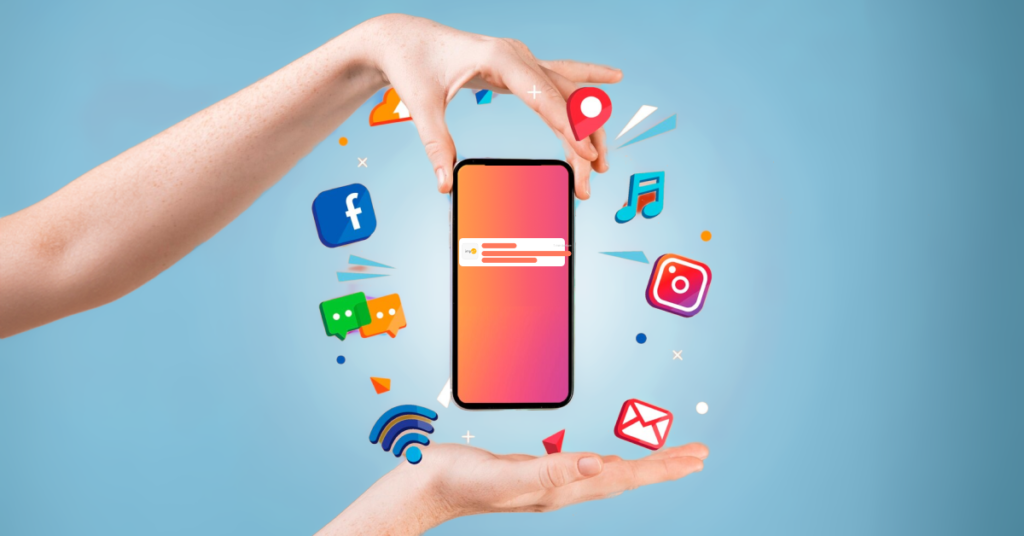
In today’s hyperconnected world, mobile devices have become an indispensable part of our lives. From making calls and sending messages to browsing the internet and accessing social media, smartphones have transformed the way we communicate, consume information, and interact with the world around us. This widespread adoption of mobile technology has had a profound impact on the marketing landscape, necessitating a shift towards mobile-centric strategies to effectively reach and engage consumers.
The statistics speak for themselves: mobile internet usage has surpassed desktop usage, with over 63% of global web traffic now originating from mobile devices. This trend is further accelerated by the increasing affordability and accessibility of smartphones, making them accessible to a broader audience across various demographics and geographical regions.
AI Assistant Guide: Top 10 AI Assistants for Daily and Business Tasks
As consumers increasingly rely on their mobile devices for everyday tasks and decision-making, it is crucial for marketers to adapt their strategies accordingly. Mobile marketing provides a direct channel to connect with consumers where they are most active, offering a personalized and engaging experience tailored to their mobile habits.
Mobile marketing offers a multitude of benefits for businesses seeking to expand their reach, enhance customer engagement, and drive conversions.
Meta’s AI-Powered Lead Generation Tools: A Game-Changer
Mobile marketing allows businesses to reach a wider audience, transcending geographical boundaries and connecting with consumers across the globe. With over 5 billion mobile internet users worldwide, the potential market for mobile marketing is vast and ever-expanding.
Mobile marketing enables businesses to deliver targeted and personalized messages to consumers based on their location, demographics, and interests. This level of precision allows for more effective marketing campaigns that resonate with specific customer segments.
Mobile marketing facilitates real-time interactions with consumers, enabling businesses to respond to inquiries, address concerns, and provide personalized recommendations in an immediate and timely manner.
Mobile marketing campaigns are highly trackable, providing valuable insights into user behavior, engagement metrics, and conversion rates. This data-driven approach allows for continuous optimization and improvement of marketing strategies.
To effectively leverage mobile marketing, businesses should incorporate a range of strategies:
Ensure your website is mobile-friendly with responsive design, clear navigation, and fast loading times to provide a seamless user experience.
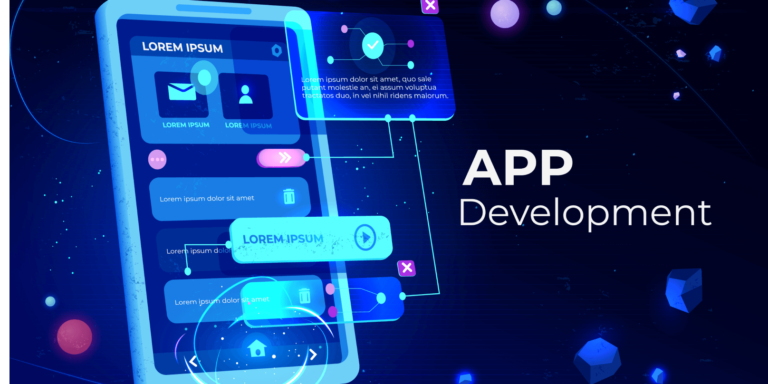
Develop a mobile app to offer a unique and engaging experience for your target audience. Utilize in-app advertising to reach a broader audience and promote your products or services.
Optimize your website and content for mobile search engines to ensure your brand appears prominently in relevant search results on mobile devices.
Create engaging content and engage with your audience on popular mobile social media platforms to build brand awareness and drive traffic to your website or app.
Mobile email marketing remains a powerful tool for reaching and engaging consumers directly in their inboxes. However, it’s crucial to optimize email campaigns for mobile devices to ensure they are effectively viewed and interacted with.
To evaluate the effectiveness of mobile marketing campaigns, it’s essential to track and analyze key performance indicators (KPIs).
Mobile marketing is an ever-evolving landscape, shaped by emerging trends and technologies that are transforming the way businesses connect with consumers. Here are some key developments to watch:
Emerging Trends and Technologies:
Artificial Intelligence (AI): AI is being integrated into mobile marketing to enhance personalization, automate tasks, and optimize ad targeting.
Augmented Reality (AR) and Virtual Reality (VR): AR and VR are creating immersive experiences that can be integrated into mobile marketing campaigns for product demonstrations, virtual tours, and interactive storytelling.
Voice Search and Smart Assistants: Voice search is gaining traction, requiring mobile marketers to optimize content for voice search and leverage smart assistants as marketing channels.
Mobile marketing has become an indispensable part of the marketing landscape, offering businesses a powerful channel to connect with consumers, enhance engagement, and drive conversions. As mobile technology continues to evolve, businesses must stay at the forefront of these trends and adapt their strategies accordingly to remain competitive and thrive in the ever-changing mobile marketing ecosystem.


What changed in marketing and AI, why it matters and exactly what to do. In your inbox at 11:00 IST.