
Influencer Marketing Trends 2027 in India: Costs, Formats, Rules
Influencer marketing trends 2027 for India: Tier 2 and 3 creators get cheaper reach, briefs go vernacular and long-term, and new ASCI and SEBI rules start biting.

Influencer marketing trends 2027 for India: Tier 2 and 3 creators get cheaper reach, briefs go vernacular and long-term, and new ASCI and SEBI rules start biting.
01Kofluence projects India’s influencer marketing spend at ₹4,500 to 5,000 crore in 2027, up from ₹3,000 to 3,500 crore in 2025.
02Kofluence’s 2026 data puts an average metro influencer campaign at ₹3.8 to 4.5 lakh, against ₹35,000 to 90,000 in Tier 3 and 4 cities, where engagement ran higher.
03ASCI asked for changes to 97.3% of the 1,609 influencer ads it processed in FY 2025-26.
04ASCI’s AI labelling guidelines, published 29 September 2026, require labels on synthetic influencers from about 29 December 2026.
The best-value creator for an Indian brand in 2027 probably lives in Indore, not Bandra. The influencer marketing trends 2027 will bring come down to three shifts: budgets move to Tier 2 and smaller-town creators who cost a fraction of metro names, briefs move to regional languages and long contracts, and ASCI and SEBI rules on AI influencers and finfluencers start biting between December 2026 and April 2027.
Below: what each shift costs, which formats to fund and which rules to fix first.
Expect a bigger but stricter market. Kofluence’s Decoding Influence report (May 2026) projects India’s influencer marketing spend at ₹4,500 to 5,000 crore in 2027, up from ₹3,000 to 3,500 crore in 2025. Growth comes from smaller cities and vernacular creators, while new AI labelling and SEBI rules raise compliance costs.
That projection is Kofluence’s own estimate from desk research and interviews, so treat it as a prediction. It is not an outlier, though. EY and Collective Artists Network forecast in April 2024 that the market would hit ₹3,375 crore in 2026, growing at an 18% CAGR. Kofluence now pegs growth at 22% a year.
Four numbers from the same report tell you where the money is heading. Instagram is the primary channel for 93.1% of brands. E-commerce (23%) and FMCG (19%) are the biggest spenders. Over 62% of creators report more regional-language briefs. And only 15.2% of creators are registered as a business or for GST, which matters when finance asks for invoices.
Sreeram Reddy Vanga, Kofluence’s CEO and co-founder, put it bluntly at launch: influence “is no longer a soft channel”. Brands now want it measured like one.

We put the default way Indian brands bought creators in 2026 next to what the data and new rules point to for 2027.
| Area | 2026 default | 2027 direction |
|---|---|---|
| Who you book | Metro macro creators for reach | Tier 2 to 4 nano and micro creators, often several at once |
| How you pay | Fixed fee per post (71% of brands in EY’s 2024 survey) | Base fee plus performance; 46.4% of brands already judge campaigns on performance |
| Contract length | One-off posts around a sale | Retainers: 62% of brand marketers say long-term partnerships return more |
| AI and virtual influencers | Disclose the avatar isn’t human | Also carry a “created using AI” style label under ASCI’s new rules |
| Finance creators | SEBI registration number in the post | Big finfluencers need prior approval of each ad under SEBI’s code |
Reach is cheap now. In 2027, brands pay for proof, compliance and repeat exposure.
Costs depend more on city tier than follower count. Kofluence’s 2026 platform data puts an average metro campaign at ₹3.8 to 4.5 lakh, a Tier 2 campaign at ₹1.3 to 1.6 lakh and a Tier 3 or 4 campaign at ₹35,000 to 90,000. Smaller-town campaigns also posted higher engagement, at 4.5% to 5.5%.
| City tier | Average cost per campaign | Engagement rate |
|---|---|---|
| Metro | ₹3.8 lakh to ₹4.5 lakh | 3% to 4% |
| Tier 2 | ₹1.3 lakh to ₹1.6 lakh | 3.5% to 4.5% |
| Tier 3 and 4 | ₹35,000 to ₹90,000 | 4.5% to 5.5% |
These are per-campaign averages, and the report doesn’t define campaign size. Use them to compare tiers, not to quote a creator. Online agency rate cards are mostly sales pages, so we left them out.
Take a ₹4.5 lakh quarterly creator budget, the top of Kofluence’s metro range. Here is what it buys at the report’s averages.
Now add tax. A GST-registered creator bills 18% GST on top, so a ₹1.5 lakh Tier 2 campaign becomes ₹1.77 lakh on your books. Your business can usually claim that as input credit, but cash still leaves first. Most nano creators aren’t registered, so you’ll handle more small invoices instead.
Our split for a mass-market D2C brand: 20% metro (one anchor face for credibility), 40% Tier 2, 40% Tier 3 and 4. That roughly doubles the number of creators and the number of languages you appear in, for the same money.
Watch the overhead: twelve small campaigns mean twelve briefs, twelve contracts and twelve disclosure checks. Budget real team time per creator, or the savings vanish into coordination.
Three formats look strongest for 2027: creator content run as paid partnership ads, regional-language Reels and Shorts, and long-term ambassador deals with small creators. Kofluence found 62% of brand marketers rate long partnerships above one-off posts, and over 62% of creators already get more vernacular briefs.
Creator content as ads. The organic post is now the test. Brands that win put the best-performing creator videos behind paid spend, using Instagram’s partnership ads. We covered the set-up and a sensible split in our guide to Instagram partnership ads in India.
Vernacular first, then dubbed. A Tamil or Marathi creator talking to their own city beats a translated metro script. For reach beyond that, AI dubbing now covers several Indian languages on Reels; see our breakdown of AI dubbing for Reels and Shorts.
AI-assisted, human-fronted. Kofluence says 59% of creators use AI tools, mostly for ideation (64.4%). Fully synthetic influencers are a different, regulated matter. Our AI trends 2027 forecast covers where those tools go next.
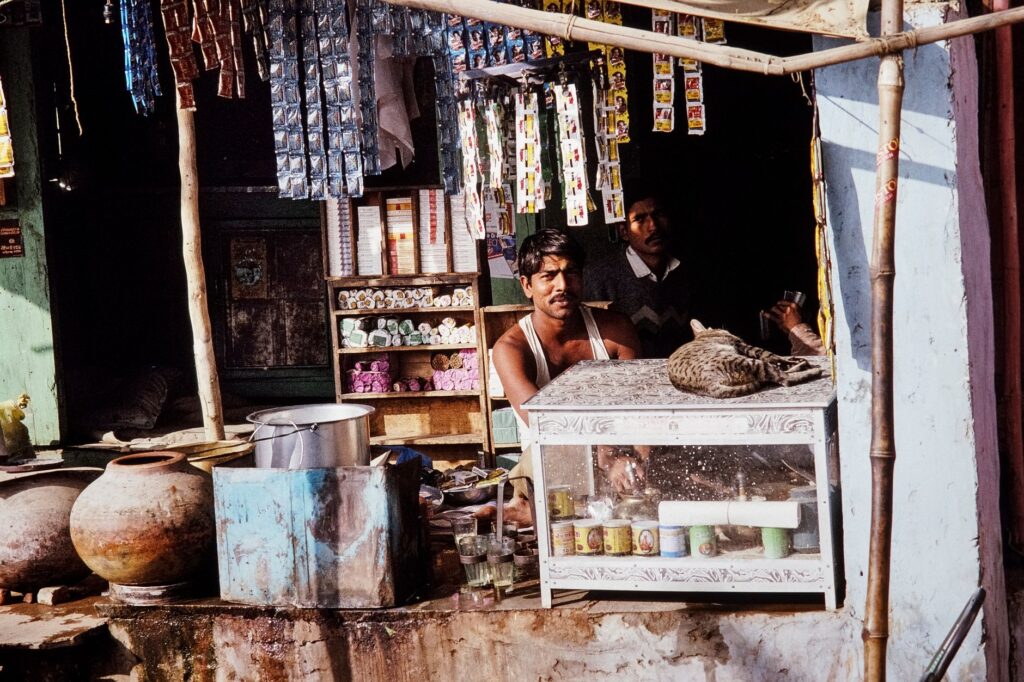
ASCI’s 2021 influencer guidelines still apply: any material connection, including free products, must be disclosed upfront with labels like Ad, Sponsored or Collaboration. From late December 2026, ASCI’s new synthetic content guidelines add a separate AI label for virtual influencers and for cloned likenesses or voices of real people.
Compliance is where most brands fail today. ASCI’s Annual Complaints Report for 2025-26 says it processed 1,609 influencer ads and 97.3% needed modification. Among the Forbes India Top 100 Digital Stars it checked, 76% were in contravention in 2025, up from 69% in 2024. More than half the flagged influencer ads promoted products that can’t legally be advertised, mainly offshore betting.
The existing rules, from ASCI’s own guideline document, in short:
The new layer is ASCI’s Guidelines for Responsible Labelling of Synthetically Generated Content in Advertising, signed on 17 September 2026. They apply three months after publication. Synthetic influencers and ambassadors must carry a label such as “Audio/Video created using AI”. Some uses are banned even with a label, including AI-fabricated endorsements and deepfakes made without consent.
ASCI published its AI labelling guidelines on 29 September 2026 and they take effect three months later. Audit any running ad that uses a virtual influencer, a cloned voice or an AI “after” image now.
Manisha Kapoor, ASCI’s CEO and secretary general, wrote in the complaints report that the industry needs a shift “from reactive correction to preventive governance”. Read that as a warning: fixing a post after a notice won’t be treated as compliance for much longer.
Yes, but with prior approval if they are big. SEBI’s Common Advertisement Code, gazetted on 9 October 2026 and in force about 180 days later in April 2027, treats influencers above ASCI’s follower threshold as celebrities. Their ads for brokers, mutual funds and advisers need prior approval, and virtual influencers count too.
Per MediaNama’s reading of the final code, the supervisory body must decide on a celebrity ad within four working days. Celebrities can endorse the brand but can’t make claims about a specific product, and testimonials are out. SEBI isn’t bluffing: by February 2026 it had escalated 1.33 lakh misleading posts to platforms, and Chairman Tuhin Kanta Pandey said over 1.2 lakh were taken down.
For a fintech or AMC planning a 2027 calendar, add four working days of approval to every creator ad, and drop any creator who can’t show a SEBI registration for advice content. The DPDP Act’s main duties, from May 2027, also apply to giveaways that collect phone numbers through creator links.

Our tier split has weak spots. Kofluence sells influencer campaigns, so its data favours the model it runs. Higher engagement in small towns may simply reflect smaller, tighter audiences, not more sales. And the per-campaign averages hide what each campaign included.
Premium and luxury brands may lose by going small. An aspirational premium watch still needs the metro face, and a few large creators are far easier to keep compliant than forty small ones when 97.3% of reviewed ads already fail ASCI checks. If your team is two people, fewer creators done properly beats many done badly.
For mass-market D2C, FMCG and e-commerce brands, move at least 40% of 2027 creator spend to Tier 2 to 4 creators on three to six month contracts, paid as a base fee plus a performance bonus. Skip fully AI influencers in 2027 unless you are a tech brand willing to label every frame. Skip unregistered finfluencers entirely. Luxury brands and two-person teams should stick with a few metro creators.
Our social media trends 2027 forecast covers where reach is moving by platform, and the full 2027 Trends series has the rest.
Kofluence’s Decoding Influence report from May 2026 projects ₹4,500 to 5,000 crore in 2027, growing about 22% a year. It is a forecast based on Kofluence’s own desk research, not audited spend.
Kofluence’s 2026 platform data shows average campaigns of ₹3.8 to 4.5 lakh in metros, ₹1.3 to 1.6 lakh in Tier 2 cities and ₹35,000 to 90,000 in Tier 3 and 4 cities. GST at 18% is added when the creator is registered.
Yes. ASCI’s 2021 guidelines already require virtual influencers to disclose they are not human. ASCI’s synthetic content guidelines, in effect three months after their 29 September 2026 publication, also require labels such as “Audio/Video created using AI”.
ASCI accepts labels such as Advertisement, Ad, Sponsored, Collaboration, Partnership, Employee, Free gift and Affiliate, plus platform paid partnership tags. The label must be upfront, not hidden in a bio or a hashtag pile.
Only within SEBI’s Common Advertisement Code, in force from April 2027. Influencers above ASCI’s follower threshold count as celebrities, need prior approval for each ad and cannot make product-specific claims.

Digital Evangelist and Entrepreneur at Clickseek Digital. A results-oriented marketing leader with an 18+ year track record driving transformative growth for diverse global businesses. Expert in performance marketing, demand generation, customer acquisition, strategic partnerships, and market expansion within B2B SaaS, Consumer-Tech, Fintech, Travel/Hospitality, and CRM/ITES Solutions sectors. IIM alumnus with a strong analytical background and a string of accolades, including "Top 50 Most Influential E-Commerce Professional of India" and "Top 100 Digital Marketer of India."
What changed in marketing and AI, why it matters and exactly what to do. In your inbox at 11:00 IST.