Instagram Partnership Ads in India: Put Creators in 30% of Ads
Meta's own lift studies found 45% cheaper incremental purchases when 30% of creatives were partnership ads. Here is how Indian brands can test it, what to pay creators, and the ASCI and TDS rules.
01A Meta white paper published on 7 October 2026 found a 45% lower median cost per incremental purchase when at least 30% of campaign creatives were partnership ads, across 20 EMEA lift studies.
02Meta’s partnership ads grew over 97% year on year to a $15 billion annual run rate, CFO Susan Li said on the Q3 2026 earnings call.
03Instagram partnership ads are not mandatory in 2026, and no Meta document requires creator content to run in the format.
04A brand’s monthly fee ceiling for creators equals the extra incremental purchases from partnership ads multiplied by its old cost per incremental purchase.
Twenty lift studies, one number: 45%. That is how much lower the median cost per incremental purchase was when EMEA advertisers made at least 30% of their campaign creatives Instagram partnership ads, according to a Meta white paper published on 7 October 2026. If you run Meta ads for an Indian D2C brand, the move is simple: get three or four creators to hand you partnership ad codes, put their posts into your existing campaigns, and measure the lift yourself.
This playbook covers the codes, the money and the ASCI and tax rules, with our own rupee maths so you know what you can afford to pay a creator before you sign anyone.
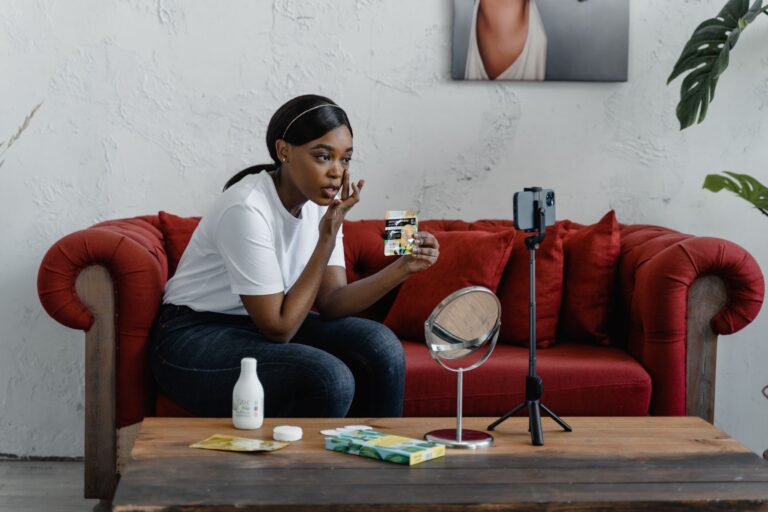
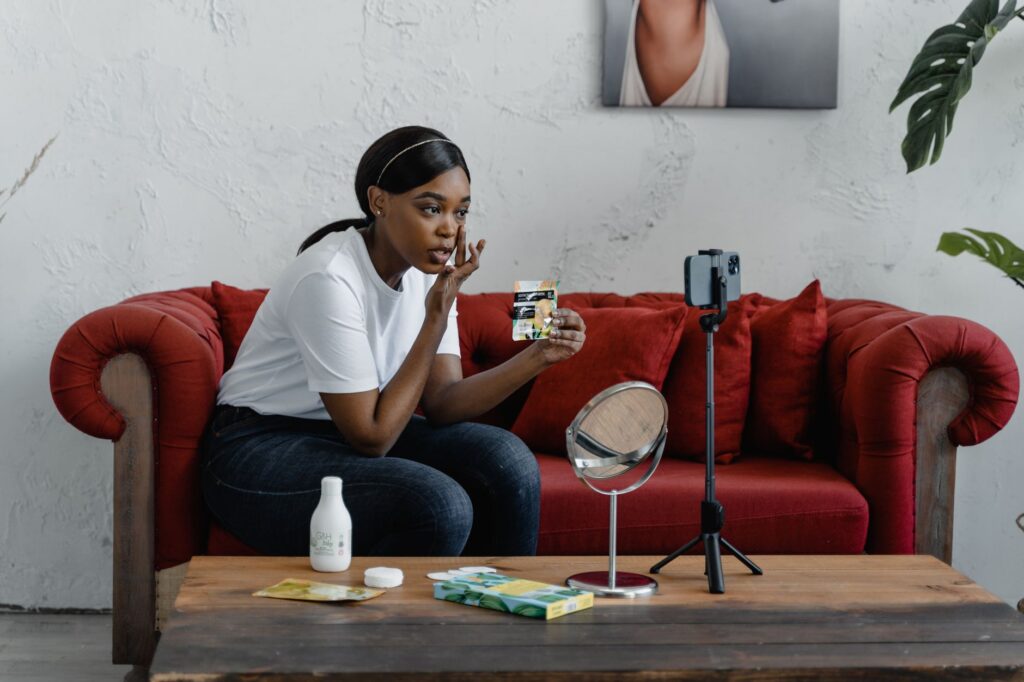
Partnership ads run your ad from a creator's handle, with your brand shown alongside.
What are Instagram partnership ads, and are they mandatory now?
Instagram partnership ads are paid ads that run from a creator’s handle with your brand shown next to it and a “Paid partnership” label on top. They are not mandatory in 2026. Several blogs claimed Meta would reject creator content that skips the format, but none of them cite a Meta document saying so.
Augmentum Media traced that claim in September 2026 and found it was sites citing each other, never Meta. What Meta did change, in December 2025, was the plumbing: a bigger Partnership Ads Hub, a Facebook Partnership Ads API, and creators being able to share an ad code even when the brand isn’t tagged.
Then came the Creator Marketing Hub, which merges Creator Marketplace and the Partnership Ads Hub into one workspace. On Meta’s Q3 2026 earnings call on 21 October, CFO Susan Li said its global rollout to all advertisers was complete, with more than 10 million creators discoverable.
97%year-on-year growth in Meta’s partnership ads, per CFO Susan Li, Q3 2026
$15 billionannual run rate, about ₹1.41 lakh crore at ₹93.98 to the dollar
45%lower median cost per incremental purchase in Meta’s 20 EMEA lift studies
Li’s own line was blunt: “Our partnership ads product grew over 97% year-over-year.” Money moving that fast usually means the auction rewards the format, and that’s why we think every Indian brand spending ₹1 lakh or more a month on Meta should test it this quarter.
What did Meta’s 30% study actually find?
Meta’s paper, titled “Cracking the creator code”, pooled 20 conversion lift studies run by EMEA advertisers between 1 January and 30 June 2025. The test cell used the same media plan as the control but with at least 30% of assets as partnership ads. Median cost per incremental purchase fell 45% and median incremental ROAS rose 35%.
Two details matter. The 30% is a share of creatives, not budget, so you don’t need to shift spend to start. And the paper’s confidence level is 92%, below the 95% most analysts treat as standard, a gap PPC Land flagged in its 11 October write-up.
Meta’s EMEA vice president, Derya Matras, wrote the foreword and framed it as a race: “the winners will be the ones who get there first.” Treat that as a sales pitch with decent data behind it, not a law of nature.
The 30% rule is about creatives, not budget. You can test it this week without moving a single rupee.
How much can you pay a creator? Our maths
Most influencer pricing articles list rate cards. That’s backwards. Start from what an extra sale is worth to you, then work out the fee ceiling. Here is our worked example for a skincare D2C brand. Every input is an assumption you should swap for your own numbers.
Input
Business as usual
With partnership ads
Monthly Meta media spend
₹3,00,000
₹3,00,000
Cost per incremental purchase
₹1,000
₹775 (Meta’s 45% gain, halved)
Incremental purchases
300
387
Extra purchases from creators
None
87
We halved Meta’s 45% to 22.5% on purpose. The studies were EMEA-only, the confidence was 92%, and Meta sells the product. Even on that cautious reading, 87 extra incremental purchases at your old ₹1,000 cost is worth ₹87,000 a month.
That figure is your fee ceiling: the most you can pay creators each month before the test loses money. Four micro-creators at ₹15,000 each (₹60,000) clears it with ₹27,000 to spare. One creator at ₹1.5 lakh doesn’t, unless the lift is far bigger than our haircut assumes.
Our formula: fee ceiling = monthly spend ÷ new cost per incremental purchase × old cost per incremental purchase, minus monthly spend. Run it with half of Meta’s gain first. If the deal only works at the full 45%, walk away.
How do you get a partnership ad code from an Instagram creator?
A partnership ad code is a string the creator generates on a post, Reel or Story and sends to you, which lets you run that content as an ad from their handle. The creator needs a professional account with branded content tools switched on. You cannot turn those on for them.
The creator, not the brand, controls the code and can switch it off.
Send your creators these steps, which match Instagram’s flow as documented by Leadsie in July 2026:
Open the post. Go to your profile and tap the post, Reel or Story the brand wants to boost.
Tap the three dots (⋯). Choose Partnership label and ads.
Switch on Get partnership ad code. For new content, the same option sits under More options before you publish.
Share it. Copy the code into WhatsApp or email, or send it by Instagram DM.
Brand side. In Ads Manager, create the ad inside your existing sales campaign, switch on the partnership ad option in the identity section, and paste the code to pull in the creator’s post.
Leadsie notes that one code can be used by up to two partners at once, and on Instagram it keeps working if the creator archives the post, so long as the toggle stays on. If the creator switches it off, your ad stops. Put a minimum run period in the contract.
Which creators should Indian brands pick for partnership ads?
Pick creators whose audience matches your buyers and who can make a hook land in the first two seconds. Follower count matters less here, because Meta’s ads system decides who sees the ad. The creator’s handle is borrowed trust, not borrowed reach.
That changes the brief. A 30,000-follower dermatology student in Indore who explains niacinamide in Hinglish may well outsell a 10 lakh lifestyle star, because the ad reaches lookalike buyers either way. Use the Creator Marketing Hub’s discovery filters to find creators who already tag or mention your brand. Their content is often ready to run.
Feed these posts in alongside your brand creatives so Meta has variety to test. Our breakdown of how Meta Andromeda scores every ad explains why a mix of truly different creatives beats ten versions of one.
What do ASCI rules and TDS mean for partnership ads?
The ASCI influencer guide says a platform’s “Paid partnership” tag adds to a disclosure label. It does not replace one. Creators still need an upfront label such as “Ad” in the visible caption, or on the video itself for Reels and Stories. Free products, discounts and barter all count as a material connection.
Watch the big names: since August 2023, ASCI treats influencers with 5 lakh or more followers on one handle, or over ₹40 lakh a year from campaigns, as celebrities. They must do due diligence on every claim and show evidence if asked. ASCI CEO Manisha Kapoor said the update widens ASCI’s ambit to include them.
Tax is the bit marketing teams forget. Section 194R of the Income-tax Act, 1961 required 10% TDS once free products or benefits to one creator crossed ₹20,000 in a financial year, unless the product was returned after use. India’s Income-tax Act, 2025 took effect on 1 April 2026 and renumbered TDS provisions, so ask your CA for the current reference before your Diwali or wedding-season gifting run.
Put the code duration, claims review and TDS treatment in the contract before anything goes live.
Where this plan can go wrong
The strongest objection is that all the headline numbers come from Meta, which earns more when you run more ads. There is no Indian lift study in the paper. Lift in Indian categories could be smaller, especially for a ₹299 product where a single creator fee eats a month’s margin.
Liability is the second risk. When a creator’s claim runs as your ad, it is your claim too. A creator promising “clears acne in 7 days” for your serum is now your problem with ASCI and the Consumer Protection Act. Read every caption before you boost it.
And Meta’s own conversion numbers are not proof. Run a conversion lift test or a clean geo split if your spend allows. If it doesn’t, compare blended cost per order for four weeks before and after, and accept that the result is directional. The Nielsen report on India’s 42% ROI blind spot is a warning worth taking personally.
PingTalks verdict
Run it. Any Indian brand spending ₹1 lakh or more a month on Meta should make at least 30% of its sales campaign creatives partnership ads for the next 30 days, using two to four micro-creators paid below your fee ceiling. Skip it if your average order is under ₹500 and you can’t get creators on barter, or if you can’t review creator claims before they go live. Ignore anyone telling you the format is mandatory. It isn’t, but it is the cheapest creative test on Meta right now.
What to do now
Work out your fee ceiling with the formula above, using half of Meta’s 45% gain.
Shortlist four creators in the Creator Marketing Hub, starting with ones who already tag your brand.
Write a contract with a minimum code period, a claims review step, an ASCI label and the TDS treatment.
Collect the partnership ad codes and add them to your current sales campaign until they make up 30% of live creatives.
No. Meta has not published any rule requiring creator content to run as partnership ads. Claims that non-partnership creator ads will be rejected trace back to blogs citing each other, not to Meta.
How does a creator share a partnership ad code on Instagram?
The creator opens the post, Reel or Story, taps the three dots, chooses Partnership label and ads and switches on Get partnership ad code. They then copy the code or send it to the brand by DM.
Does the 30% rule mean 30% of my Meta budget?
No. In Meta’s study the 30% was a share of campaign creatives, not spend. You can test it by adding creator posts to an existing campaign without changing the budget.
Is the Paid partnership label enough for ASCI disclosure?
No. ASCI’s influencer guide treats platform tags as an addition to an upfront label such as Ad in the visible caption or on the video. Free products and barter deals also need disclosure.
Do brands need to deduct TDS on free products given to creators?
Under Section 194R of the Income-tax Act, 1961, brands deducted 10% TDS once benefits to one creator crossed Rs 20,000 in a financial year, unless the product was returned. The Income-tax Act, 2025 renumbered TDS provisions from 1 April 2026, so confirm the current reference with a CA.
How much should I pay a creator for partnership ads?
Work backwards from value, not rate cards. Divide your monthly spend by the new cost per incremental purchase, multiply by the old cost, and subtract the spend. The result is the most you can pay creators each month.
Digital Evangelist and Entrepreneur at Clickseek Digital. A results-oriented marketing leader with an 18+ year track record driving transformative growth for diverse global businesses. Expert in performance marketing, demand generation, customer acquisition, strategic partnerships, and market expansion within B2B SaaS, Consumer-Tech, Fintech, Travel/Hospitality, and CRM/ITES Solutions sectors. IIM alumnus with a strong analytical background and a string of accolades, including "Top 50 Most Influential E-Commerce Professional of India" and "Top 100 Digital Marketer of India."