

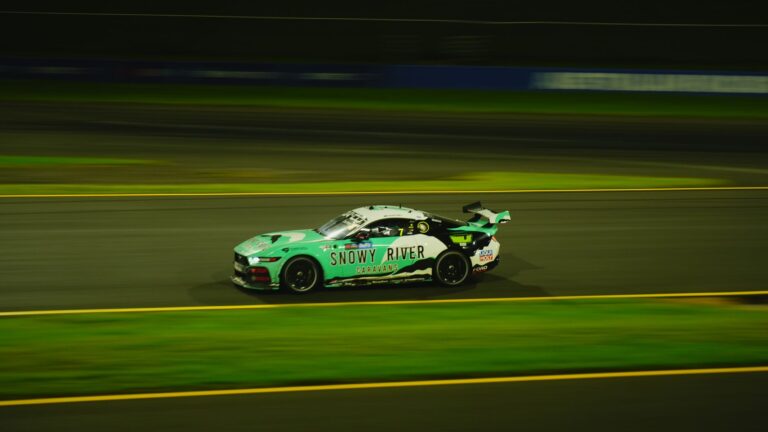
Sting F1 Case Study: 1.12 Billion Reach, Zero Logos on the Car
Sting had no logo on F1 cars in year one, yet a borrowed engine sound earned 1.12 billion reach. Here is how Leo India built it, and how an Indian brand can copy it for under ₹2 lakh.

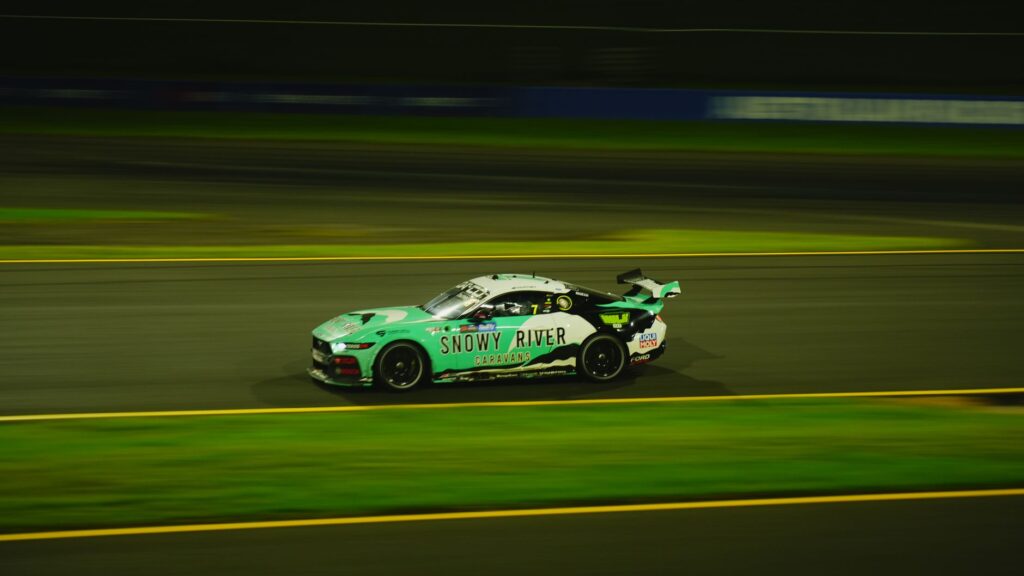
Sting had no logo on F1 cars in year one, yet a borrowed engine sound earned 1.12 billion reach. Here is how Leo India built it, and how an Indian brand can copy it for under ₹2 lakh.
01Sting and Leo India claimed the F1 engine sounds like “Stinggg”, seeding the idea through DJ Armin van Buuren before the 27 May 2025 partnership announcement.
02The Sting F1 campaign reported 1.12 billion earned reach, 190 million influencer reach and 282 million video views in its Spikes Asia 2026 entry.
03PingTalks maths: Sting earned about 5.9 people of reach for every person its seeded creators reached directly.
04FSSAI notices of 1 July 2026 gave six brands, including Sting, 90 days to drop the term “energy drink”, but a brand sound needs no label approval.
For its first year as Formula 1’s official energy drink, Sting had no logo on the cars, no broadcast slots and no trackside boards. It still pulled 1.12 billion in earned reach, because Leo India convinced fans the F1 engine was already saying the brand’s name.
This Sting F1 case study breaks down how the idea worked, what the numbers mean, and why a brand sound just became more valuable in India now that FSSAI has stripped the words “energy drink” off Sting’s own cans.
Sting, PepsiCo’s energy drink brand, and Leo India claimed the high-pitched build-up of an F1 engine sounds like “Stinggg”. A DJ seeded the claim, racing names and creators spread it, and fans began hearing the brand name in every race clip. No paid logo placement was needed.
The partnership was confirmed on 27 May 2025, but the seeding came first. According to the exchange4media write-up of Cannes Lions 2026, Armin van Buuren posted that he could hear the word in race audio before any official announcement.
From there it was a relay, not a broadcast:
The Clio jury entry sums up the structure neatly: each market got local storytellers, but the sequence never changed. That repeatability is the part worth stealing.
We compared Sting’s starting position, as described in its Clio entry, with where the brand stood by mid-2026.
| Asset | Year one (2025) | By June 2026 |
|---|---|---|
| On-track branding | None | Official Team Partner of Mercedes-AMG PETRONAS, per PepsiCo |
| Live race moment | None | Brand anthem debuted at the Barcelona Grand Prix weekend |
| Brand sound | An engine note anyone could hear | “The Sting Within Me”, a track by Alan Walker released via Warner Music India |
| Awards | None | Clio Grand (Sonic Branding), Cannes Silver Lion (Audio and Radio), Spikes Asia shortlist |
The Alan Walker track, announced by PepsiCo on 13 June 2026, is the tell. Sting stopped borrowing the sound and started owning a version of it.
The Spikes Asia 2026 entry, summarised by WARC, reports 1.12 billion earned reach, 190 million influencer reach and 282 million video views. These are entrant-reported figures with no published method, and they measure attention, not sales. Treat them as a ceiling, not a benchmark.
Our maths. Divide earned reach by influencer reach and you get roughly 5.9. For every person a seeded creator reached, the idea travelled to about six more on its own. That multiplier is the real result. Reach you rent stops when the money stops; reach that people pass on keeps going.
To put a rupee value on it, take an illustrative ₹100 CPM, a round figure for Indian social video, not a quote. Buying 1.12 billion impressions at that rate would cost about ₹11.2 crore. Reach and impressions aren’t the same thing, so this understates the true media value. Still, a sound people repeat for free is a media plan you don’t pay for.
A logo needs a placement. A sound only needs someone to say “wait, did you hear that?”
On 1 July 2026, FSSAI sent notices to six brands, including Sting, saying it has notified no standard for “energy drink” and giving them 90 days to drop the term. PepsiCo India is removing “energy” from new Sting cans and PET bottles. The “Stinggg” sound needs no label approval.
ThePrint reported that the notices also flagged claims such as “boost energy levels” as impermissible under the FSS Act, 2006. Red Bull, Monster, Hell and Reliance’s Campa reportedly asked for more time. At a meeting with FSSAI CEO Rajit Punhani, the industry got no reprieve, ThePrint reported.
Outlook Business, citing The Economic Times, says Sting’s cans had carried the line “official energy drink of Formula One” and that its F1 advertising is being reworked. That is a category estimated at over ₹13,000 crore, with brands spending roughly ₹2,000 crore a year on promotion, suddenly losing its own name.
Why this matters beyond drinks: any Indian category built on a claim word (“immunity”, “detox”, “clinically proven”) can lose that word to a regulator. Distinctive assets such as a sound, a colour or a character are much harder to take away.
Vandita Pandey, PepsiCo’s VP of marketing for hydration and energy, put it in three words at the India launch in July 2025: “Sound is identity.” In a year when the label changed, that line aged well.

Yes, if you copy the structure and skip the spectacle. Find a sound your customers already hear, make it say your name, seed it through a credible voice who isn’t your brand handle, and give fans a reason to repeat it. A regional brand can test this for under ₹2 lakh.
Here’s the PingTalks version, which we call the Hear, Seed, Spread, Own sequence:
Our worked example. These rates are illustrative assumptions; check your own quotes. One mid-tier regional creator at ₹60,000, four micro-creators at ₹15,000 each, and ₹50,000 to boost the best clip on Meta. That totals ₹1.7 lakh, plus GST on creator invoices. Don’t plan for Sting’s 5.9x multiplier. Plan for 1x and count anything above it as upside.
Disclosure is not optional: ASCI’s influencer guidelines require a clear label such as #ad or #collab whenever a creator has a material connection with the brand. A paid “accidental discovery” without that label is a complaint waiting to happen.
If you’re planning the creator side, our Instagram Reels guide covers length and format. Read the YouTube Shorts original content rule before your remixes go up, because reused clips can lose reach.
The reach figures come from an award entry, and award entries are written to win. No source we found links the campaign to Sting’s sales, share or search volume. Some secondary sites quote extra numbers, but we couldn’t trace them to PepsiCo or the award shows, so we left them out.
Hearing bias also needs a name people already know. Sting had PepsiCo’s distribution, ₹20 PET bottles and a global F1 deal behind it. A brand nobody has heard of can’t be “heard” in an engine.
And the seeding has an honesty problem in India. A paid creator presenting a planned idea as a personal discovery sits close to the line ASCI draws. Disclose, and let the idea carry the surprise instead of the pretence.
For a craft-led contrast from Indian adland, see how Nestle built moods into Maggi in our Maggi Grand Effie case study.
Copy this. Sting proved that a brand locked out of the expensive assets can borrow attention from a sound fans already love, and the FSSAI ruling proved why that’s safer than a category word. Skip the celebrity seeding unless you can afford it and disclose it. Indian D2C, F&B and local retail brands should test a sound before their next festive push; B2B brands with long sales cycles can ignore this.
Once your sound is live, the creative still has to fit the ad system. This morning’s piece on how Meta Andromeda scores every ad explains why distinct creative variants matter.
It was a 2025 to 2026 campaign by Leo India for PepsiCo’s Sting Energy. It claimed the high-pitched build-up of an F1 engine sounds like “Stinggg” and spread that idea through a DJ, racing figures and creators, while Sting had no on-track branding.
Its Spikes Asia 2026 entry, summarised by WARC, reported 1.12 billion earned reach, 190 million influencer reach and 282 million video views. It won a Clio Grand for Sonic Branding and a Silver Lion in Audio and Radio at Cannes Lions 2026. No sales figures were published.
Leo India created the campaign and holds Sting’s global creative mandate. The work was entered by Leo India at the Clio Awards and Cannes Lions in 2026.
On 1 July 2026, FSSAI told six brands, including Sting, that it has notified no standard for “energy drink” and gave them 90 days to drop the term. PepsiCo India began removing “energy” from new Sting cans and PET bottles and reworking its advertising.
Yes, by copying the structure rather than the scale. Pick a sound your customers already hear, seed it through one trusted creator with an ASCI disclosure label, add a few smaller creators to remix it, then reuse the sound across Reels, IVR and WhatsApp for at least 90 days.

Digital Evangelist and Entrepreneur at Clickseek Digital. A results-oriented marketing leader with an 18+ year track record driving transformative growth for diverse global businesses. Expert in performance marketing, demand generation, customer acquisition, strategic partnerships, and market expansion within B2B SaaS, Consumer-Tech, Fintech, Travel/Hospitality, and CRM/ITES Solutions sectors. IIM alumnus with a strong analytical background and a string of accolades, including "Top 50 Most Influential E-Commerce Professional of India" and "Top 100 Digital Marketer of India."
What changed in marketing and AI, why it matters and exactly what to do. In your inbox at 11:00 IST.