


Social Media Marketing in 2026: Strategy, Platforms, 90-Day Plan
India platform data, a five-step strategy, ASCI influencer rules, paid social, ROI tracking and a 90-day plan you can start on Monday.


India platform data, a five-step strategy, ASCI influencer rules, paid social, ROI tracking and a 90-day plan you can start on Monday.
01Social media marketing in India reaches 500 million social media user identities, per DataReportal’s Digital 2026 India report (October 2025 data).
02Instagram has 481 million ad reach in India and YouTube 500 million, per DataReportal, making them the two priority platforms for most Indian brands.
03ASCI’s influencer guidelines allow only approved labels such as #Ad, #Sponsored and #Collaboration, placed upfront, and cover barter and free gifts.
04Since 17 August 2023, ASCI requires finfluencers giving investment advice to be SEBI registered and health influencers to disclose relevant qualifications.
Social media marketing is the practice of using platforms like Instagram, YouTube, LinkedIn and WhatsApp to build an audience, earn trust and drive sales through organic content, creators and paid ads. In India in 2026, that means short video first, regional languages taken seriously, and every post tied to a business number.
This guide gives you the platform data for India, a strategy you can build this week, the ASCI influencer rules you must follow, and a 90-day plan. No theory you already know. Just the decisions that move revenue.
Social media marketing is the planned use of social platforms to reach a defined audience, publish content they value, engage with them, and convert that attention into leads or sales, using a mix of organic posts, creator partnerships and paid social advertising, all measured against business goals rather than likes.
It has three engines. Organic content builds reach and memory. Influencer and creator partnerships borrow trust you have not earned yet. Paid social buys reach on demand and retargets the people your content warmed up.
Most Indian brands run one engine and wonder why growth stalls. The brands that win run all three, with the same message and the same measurement. Brand marketing on social is not separate from performance either: the Reel that builds recall today lowers your cost per sale next month.
Instagram and YouTube matter most for reach in India, Facebook still delivers 403 million in ad reach, LinkedIn wins for B2B, ShareChat and Moj win for regional language users, and WhatsApp closes the sale, with DataReportal’s Digital 2026 India report counting 500 million social media user identities, or 34.1% of the population, in October 2025.
The same DataReportal Digital 2026: India report counts 1.03 billion internet users. So roughly half of India’s internet users are not yet on any social platform, which is a huge headroom for regional content.
Here is how the platforms compare. Audience figures are ad reach or reported users from the sources named, not monthly active users unless stated.
| Platform | India audience (source) | Best for | Formats that work |
|---|---|---|---|
| 481M ad reach, 32.8% of population (DataReportal) | D2C, lifestyle, food, beauty, local business | Reels, carousels, Stories, collabs | |
| YouTube | 500M ad reach, 34.1% of population (DataReportal) | Search-led demand, education, high-ticket purchases | Shorts, long-form explainers, reviews |
| 403M ad reach, 27.5% of population (DataReportal) | Broad reach, community groups, paid ads | Video, groups, lead ads | |
| 170M members, 11.6% of population (DataReportal) | B2B, hiring, founder brands | Text posts, documents, short video | |
| X | 22.2M ad reach, 1.5% of population (DataReportal) | News, tech, public conversation | Threads of posts, live commentary |
| Threads | 26.6M ad reach, 1.8% of population (DataReportal) | Text-first brand voice, Instagram audience overlap | Short opinions, replies, conversation starters |
| ShareChat and Moj | ShareChat 110M+ MAU, Moj 100M+ MAU (company site) | Bharat audiences, regional language campaigns | Vernacular short video, creator content |
| WhatsApp Channels | No India figure published; 1.5B people use the Updates tab daily worldwide (Meta) | Retention, offers, repeat purchase | Channel updates, Status ads, broadcasts |
Two numbers in that report should change how you plan. First, DataReportal shows Instagram’s adult ad audience in India is 69.7% male and 29.9% female, and Facebook’s is 72.7% male. If you sell to women, your creative and targeting have to work harder for the same reach.
Second, the ShareChat about page lists 14 Indian languages and says Moj users average 40 minutes a day. If your buyers think in Kannada or Bhojpuri, an English-only feed is leaving money on the table.
Note: DataReportal warns that ad reach is not the same as monthly active users and that platforms revise figures often. Use these numbers to rank platforms, not to forecast exact reach.
You build a social media marketing strategy by setting one business goal per platform, defining a specific audience, choosing three to five content pillars, picking the formats each platform rewards, and locking a weekly calendar you can sustain, then reviewing the numbers every two weeks and cutting whatever is not moving leads or sales.
Here is the PingTalks five-step build. Do it in order. Skipping the audience step is why most calendars turn into random posting.
Pick one primary goal per platform. Instagram might be for sales, LinkedIn for leads, YouTube for search demand. Followers are not a goal. They are a side effect.
Write who they are, which city tier they live in, which language they scroll in, what they fear and what they want. A Bengaluru SaaS buyer and a Lucknow saree shopper need different platforms, hooks and posting times.
Pull real data: Instagram Insights demographics, your GA4 audience report and the last 50 customer chats on WhatsApp. Customer words make the best hooks.
Content pillars are the recurring themes you post about. A good mix for most brands:
Keep selling posts to roughly one in five. Feeds that only sell get scrolled past.
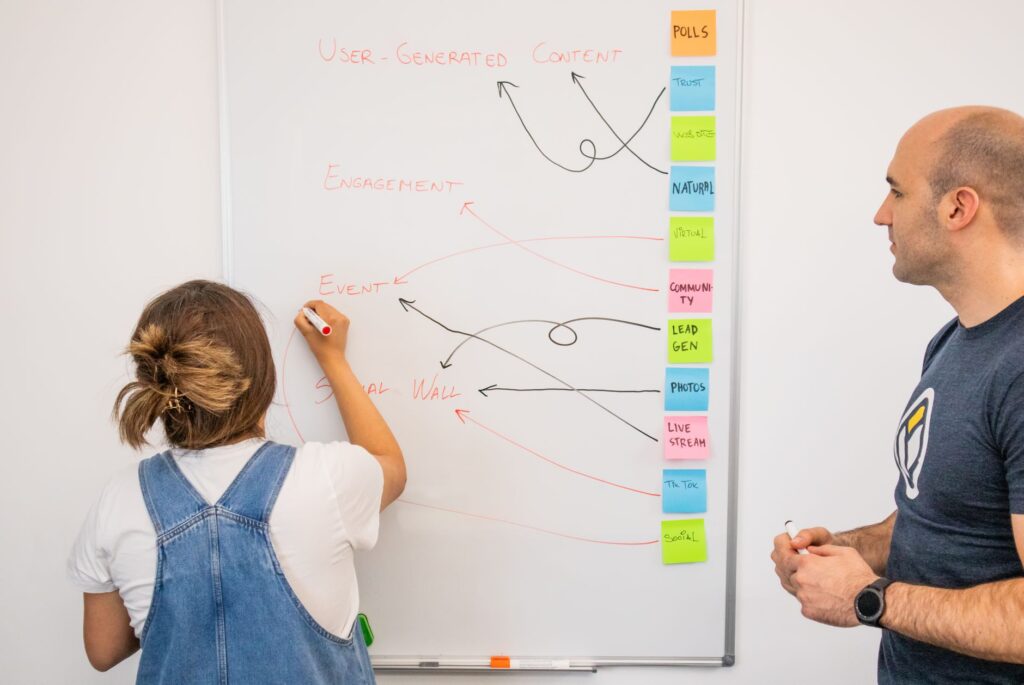
Instagram rewards Reels and carousels. YouTube rewards Shorts for discovery and long videos for trust. LinkedIn rewards a strong first line and real opinions. Repurpose one idea across formats instead of inventing five ideas a day.
Turn one Reel script into a ten-slide carousel, then a LinkedIn document, then a WhatsApp Status. One idea, four posts.
Consistency beats volume. Three good Reels a week for six months will outperform a daily sprint that dies in week three. Batch-shoot once a week, schedule in advance and keep a backlog of evergreen posts.
Use a shared sheet with columns for date, pillar, format, hook, status and link. Plan Indian festival peaks like Diwali, Holi and Onam at least six weeks ahead.
Reels and short video are important because they are how Instagram, YouTube and Moj show your content to people who do not follow you yet, which makes short video the cheapest way to reach new audiences in India, and the same clip can work as an ad, a creator brief and a WhatsApp Status update.
Scale is not in doubt. YouTube CEO Neal Mohan told the 2025 Cannes Lions festival that Shorts now average over 200 billion daily views, per the YouTube blog post on his keynote. And on 18 January 2025 Instagram head Adam Mosseri announced uploads of Reels up to three minutes long, as Social Media Today reported.
Longer limits do not mean longer is better. Instagram’s own ranking explainer says Reels are ranked partly on whether you will watch all the way through. A tight 20 second Reel watched fully beats a 90 second one people abandon.
Go further with the full Instagram Reels guide on length, ideas and growth.
Hashtags still work on Instagram, but mainly as labels that help the platform understand what your post is about rather than as a reach hack, so a few specific and relevant tags help categorise a post while dozens of generic ones do almost nothing compared with watch time and shares.
Use a mix of niche tags (#bangalorebakery), category tags (#homebaking) and one branded tag. Put them in the caption, not a hidden comment. Refresh sets by campaign rather than pasting the same block every time.
Our Instagram hashtags guide has ready sets by niche.
The Instagram algorithm is really several ranking systems, one each for Feed, Stories, Explore and Reels, and each one predicts what a viewer will do next, such as like, share, comment or watch to the end, using their activity, their history with you, the post itself and information about you as the poster.
Instagram’s ranking explainer, last updated 31 May 2023, lists the signals. For Reels it predicts whether someone will reshare, watch all the way through, like, or visit the audio page. Explore leans on post popularity much more than Feed or Stories.
Watch out: Instagram says Reels may be shown less if they carry watermarks, are low resolution, have muted audio or borders, are mostly text, or were already posted on Instagram. Repurposing YouTube Shorts with the logo still on is a reach tax.
The practical rule: make content people send to a friend or watch twice. Check Account Status in settings to confirm your account can be recommended. Read our Instagram algorithm explainer for the ranking factors in detail.

Influencer marketing in India works by paying or gifting creators to feature your brand in their content, so their audience hears about you from someone they already trust, while the brand briefs the creator, agrees deliverables and usage rights, tracks sales through codes, links or WhatsApp chats, and follows ASCI disclosure rules.
Instagram influencer marketing is the default, but YouTube creators win for considered purchases and ShareChat and Moj creators win in regional markets. For most SMBs, ten micro creators with tight local audiences beat one celebrity post on cost per sale.
The ASCI influencer disclosure guidelines require any creator with a material connection to a brand, whether paid, gifted or bartered, to use an approved label such as #Ad or #Sponsored placed upfront where viewers cannot miss it, and health and finance influencers must also disclose their qualifications or SEBI registration.
The Advertising Standards Council of India (ASCI) says on its influencer FAQ page that a material connection covers money, free products including unsolicited ones, discounts, gifts, trips, media barters and family or employment ties. So a barter deal needs a label too.
| Rule | What ASCI requires | What it means for you |
|---|---|---|
| Approved labels | #Advertisement, #Ad, #Sponsored, #Collaboration, #Partnership, #Employee, #Free gift only | Put the exact label in every brief and contract |
| Captioned posts | Label in the caption, hard to miss, no scrolling needed | Label goes in the first line, not after 20 hashtags |
| Videos up to 15 seconds, no caption | Label on screen for at least 3 seconds | Add a text overlay in the edit |
| Videos 15 seconds to under 2 minutes | Label on screen for at least one third of the length | A 60 second Reel needs at least 20 seconds of label |
| Videos 2 minutes or longer | Label for the whole section mentioning the brand | Overlay during every product segment |
| Live streams and audio | Label at the start and end | Script it into the opening and closing lines |
ASCI’s guide for influencers adds that a blanket disclosure in the bio does not count, labels must not be buried among hashtags, and creators should also consider platform tools such as the paid partnership tag. Labels must be in English or the language of the ad.
The stricter rules came on 17 August 2023. ASCI’s health and finance update says finfluencers may give investment advice only if registered with the Securities and Exchange Board of India (SEBI), and must show the registration number prominently. Health and nutrition influencers must hold relevant qualifications and disclose them upfront.
ASCI sends notices to both the brand and the influencer when a post breaks the rules, and repeat offenders go on its non-compliant list. If you run fintech, insurance, wellness or nutrition campaigns, verify credentials before you sign, not after a complaint.
An undisclosed creator post is not a growth hack. It is a complaint waiting to be filed against your brand.
Social commerce is selling directly through social platforms, where people discover a product in a Reel, ask questions in DMs or WhatsApp, and pay without visiting a traditional store, and in India it works best when discovery happens on Instagram or YouTube and the sale closes in a WhatsApp chat or a fast mobile checkout.
WhatsApp is the closing room. Meta’s June 2025 announcement brought ads in Status, promoted channels and paid channel subscriptions to the Updates tab, which Meta says about 1.5 billion people use every day. Those ads stay in the Updates tab, not in personal chats.
The Indian playbook is simple: a Reel or ad with a click-to-WhatsApp button, a catalogue in WhatsApp Business, a quick reply that sends the payment link, and a Channel for repeat buyers. Read more on social commerce and how it blends shopping with social and the full WhatsApp marketing and Business API guide.
Pro tip: Capture consent when a lead lands on WhatsApp and store it with the chat record. India’s Digital Personal Data Protection Act makes consent-based data handling the safe default for every lead you collect from social.
You should spend on social media advertising once organic posts or creator content already prove that people respond, a landing page or WhatsApp flow converts visitors, and tracking records every sale, because paid social scales what already works and cannot fix an offer nobody wants or a broken checkout.
For most Indian brands, Meta (Facebook and Instagram) is the first paid channel, then YouTube for video reach, then LinkedIn for B2B. Start with a test budget, run three to five creatives per ad set and let the data pick the winner.
The full setup, structure and bidding playbook lives in our Meta Ads guide.

You measure social media marketing ROI by tracking the revenue or qualified leads social drove, subtracting the full cost including content, creators, tools, team time and ad spend, and dividing by that cost, with each platform tracked separately through UTM links, GA4 conversions, creator codes and WhatsApp chat source tags.
The simple formula: ROI = (revenue from social minus total social cost) divided by total social cost. Most teams forget creator fees and internal hours, which makes ROI look better than it is.
| Funnel stage | Metric to track | Where to find it |
|---|---|---|
| Reach | Accounts reached, non-follower share, views | Instagram Insights, YouTube Studio |
| Engagement | Shares, saves, comments per reach | Platform insights |
| Traffic | Sessions and engaged sessions by UTM source | GA4 |
| Conversion | Leads, chats, orders, cost per acquisition | GA4, Meta Ads Manager, WhatsApp labels |
| Retention | Repeat purchase rate, Channel followers | Store backend, WhatsApp |
Tag every link in bio, Story link and creator link with UTM parameters. Our GA4 guide covers events and conversions so social traffic shows up properly in reports.
The social media marketing tools worth paying for are a scheduler, a design and video editor, an analytics layer and a WhatsApp Business setup, but native platform tools cover more than most small teams need, so start free and pay only when a tool saves real hours every week or answers a new question.
Founders should build a personal brand on LinkedIn by posting two to three times a week on one clear theme, sharing real decisions, numbers and lessons from running the business, replying to every comment in the first hour, and engaging daily with the people they want to sell to or hire.
India has 170 million LinkedIn members per DataReportal, so your buyers, investors and future hires are already there. A founder voice usually outperforms a company page because people follow people.
Personal branding is slow for 60 days and then compounds. Founders who quit at week six never see the inbound leads.
These are the patterns we see most often in Indian accounts, from D2C startups to local service businesses.
Use this plan for a new account or a reset. It assumes one person or a small team and a modest ad budget.

Social media marketing in India rewards brands that pick two platforms, post short video consistently, use creators with proper ASCI labels, and close sales on WhatsApp. Pick Instagram plus one of YouTube or LinkedIn, run the 90-day plan, and judge everything by cost per sale. Breadth comes after proof.
Beyond the guides linked above, these PingTalks articles take each part of this pillar further:
Costs depend on content volume, creator fees and ad spend, and there is no official benchmark. Budget separately for content production, creator partnerships, tools and media spend, and include team time when you calculate ROI.
Instagram and YouTube have the largest ad reach in India per DataReportal, at 481 million and 500 million. LinkedIn is best for B2B, ShareChat and Moj for regional language audiences, and WhatsApp for closing sales.
#Ad is an approved ASCI label, but placement matters too. It must be upfront and hard to miss, in the caption’s first line or on screen for the required duration in videos, and a bio disclosure alone does not count.
Post as often as you can sustain good quality, which for most small teams is three Reels and two carousels a week. Consistency over months matters more than a short burst of daily posting.
Yes. ASCI defines material connection to include free products, gifts, discounts, trips and media barters, so a barter collaboration needs an approved label such as #Collaboration or #Free gift.
Social media marketing covers everything a brand does on social, including organic content, community, creators and ads. Social media advertising is the paid part, where you buy reach and target audiences through tools like Meta Ads Manager.

Digital Evangelist and Entrepreneur at Clickseek Digital. A results-oriented marketing leader with an 18+ year track record driving transformative growth for diverse global businesses. Expert in performance marketing, demand generation, customer acquisition, strategic partnerships, and market expansion within B2B SaaS, Consumer-Tech, Fintech, Travel/Hospitality, and CRM/ITES Solutions sectors. IIM alumnus with a strong analytical background and a string of accolades, including "Top 50 Most Influential E-Commerce Professional of India" and "Top 100 Digital Marketer of India."

What changed in marketing and AI, why it matters and exactly what to do. In your inbox at 11:00 IST.